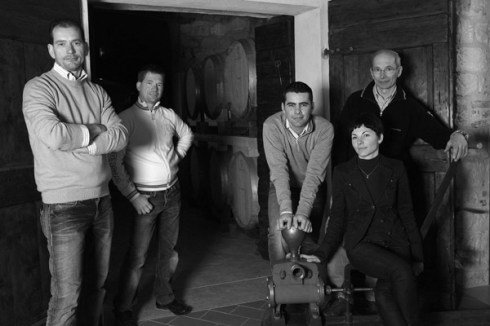
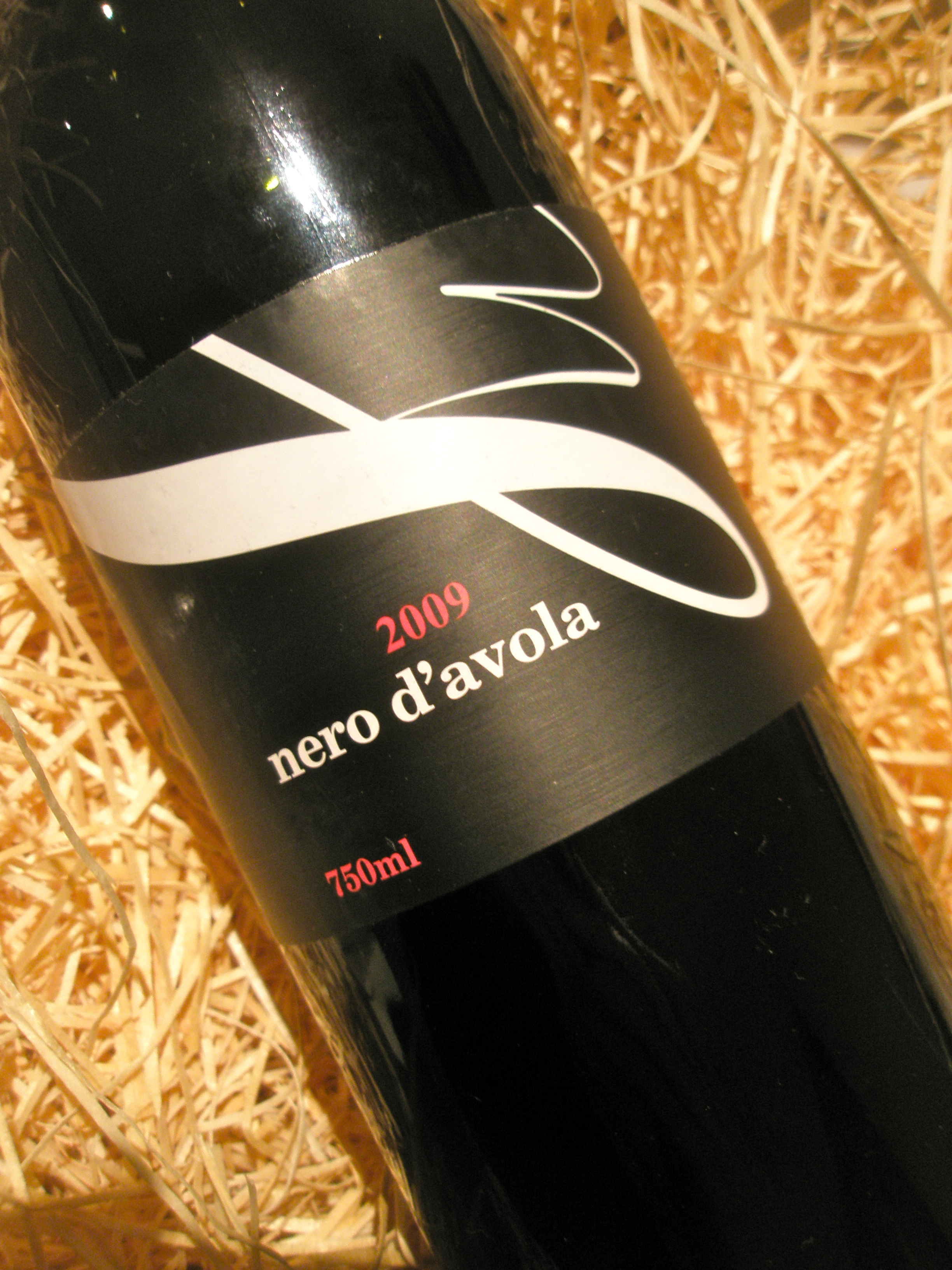
Fratelli Speri is located in the the wine zone known famously as Valpolicella within the Veneto region of north-east Italy. It lies within the province of Verona. Working back that’s the winery (Speri), then the zone (Valpolicella), then the province (Verona), then the region (Veneto). Don’t worry, I get confused too. They make a number of wine styles including Valpolicella, Ripasso, Amarone and Recioto (all to be explained later). There is also a casual review of their Speri Valpolicella Vigneto La Roverina DOC 2008 to finish things off. But firstly, here is an excerpt by the Speri family that I enjoyed.
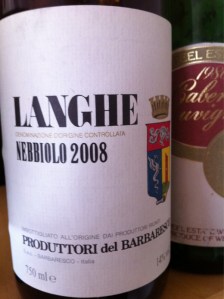
Nebbiolo: King of the Langhe (ie: Barolo & Barbaresco). Is its noble status achievable in some Australian regions?
14 JunNEBBIOLO IS REGARDED AS THE ‘KING OF THE LANGHE’ WITH THE BEST – BAROLO AND BARBARESCO – POSSESSING OUTSTANDING AROMATIC COMPLEXITY, TANNIC POWER AND EXCEPTIONAL AGEING POTENTIAL. WHAT GIVES THIS GRAPE VARIETY ITS UNDENIABLE DISTINCTIVENESS IN ITS HOMELAND AND CAN IT ACHIEVE SOMETHING SIMILAR IN AUSTRALIA? DISCUSS WITH REFERENCE TO THE VINE, SOIL, CLIMATE, VINIFICATION, MATURATION AND SENSORY CHARACTERISTICS.
Introduction
Ancient Greeks referred to Italy as Oenotria – the land of wine 1. It is an apt description for the geographical ‘boot’ of Italy, which embraces a variety of climates and soils allowing for diverse opportunities in grape cultivation 2. The native grape of particular fame is Nebbiolo from the Barolo and Barbaresco zones, which herald from north-western Italy in the Langhe hills of the Piemonte region 3. Ample reasons exist for its elite status, but discussion will also be directed towards how Nebbiolo fares in Australia, where the illustrious qualities of Italian Nebbiolo wines convinced many Australian winemakers to plant the fickle grape, perhaps not always in areas best suited to the representation of its classic tar and roses character.
Il coraggioso Matteo Correggia e il Roero
12 AprABOUT MATTEO CORREGGIA
The wine world lost one of its greats back in 2001 when the driven and ardent Roero vine dresser Matteo was taken unexpectedly in an accident in the vineyard. Prior to his death, Matteo had worked fervently to establish the sandy soils and the vines of the Roero as fruit that could one day be held next to the great Langhe vines. His dedication to his craft meant he gradually bought the vineyards that he knew ripened the best and had the best exposures and sold off those he knew he would rather do without. When at last the world took notice to his beautiful wines, it was all be taken away from him and the estate was left in his wife Ornella’s capable hands. The wines are now made under the direction of enologist Luca Rostagno – the man Matteo wanted to make the wine in his cellar.
ABOUT THE ROERO
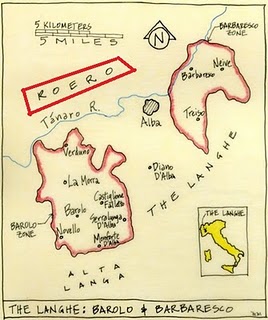
Matteo Correggia’s estate is based on the northern side of the Tanaro river in Piemonte in the area known as the Roero (rather than the more southerly and well-known Langhe wine region). It is an area long-renowned for the native white grape Arneis, a wine that is usually unoaked and consumed when young and is a beautiful accompaniment to fish dishes. It is the reds though that are commanding due attention, with a classic Roero rosso like Matteo Correggia’s La Val dei Preti or earlier maturing Roero made from 100% Nebbiolo in the Canale d’Alba region of the Roero hills. These wines tend to be lower in price also due to a lower demand with the majority of people going for the more publicised Langhe wine region. So I say, scoop up a bargain, put your feelers out there, and the next time you come across a wine with Roero on the label, well apart from knowing a little more about the area now, you can feel confident that it is an area producing reputable, delicious wines worthy of the purchase! Trust me!
Wine Reviews April
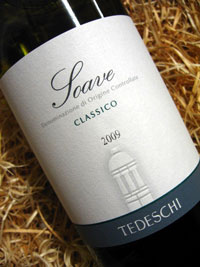
18 MarTEDESCHI Soave Classico DOC 2009
Veneto, Italy
Here we have the perfect aperitif, or should I say, aperitivo, like the Italians? Well…when in Rome! This is made from the Garganega grape variety in the hills of the classic Soave zone of the north-eastern Veneto region of Italy. It is the sort of wine to begin your lunch or evening with as it is beautifully rounded with a green apple crispness, good body and juicy texture with a delightful hint of almonds to the finish. Fruity yet complex plus agreeably low in alcohol, this is a wine that will not cause complaints! Ideally paired with aperativo foods, fish and white meats.
RRP $27.00
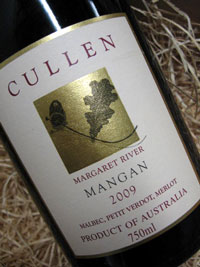
CULLEN Mangan Petit Verdot Malbec Merlot 2009
Margaret River, WA, Australia
Ahh blends. They’re a polarising bunch. Under the right winemaking skill varietal blends work so that the flavours and grape characteristics intertwine harmoniously. This is a shining example made from a very complimentary blend of Petit Verdot, Malbec and Merlot. Hello to a nose of blood plums with hints of mulberry and a sprinkling of pepper. The palate has fantastic fruit concentration and body but overall is medium-weighted, which is reflected in the lower alcohol content of 12.5%. Being Cullen means being biodynamic, which means these wines are not overworked and express themselves as they should be. There’s no pretentiousness here. This is top quality wine from one of the wine community’s most respected Australian producers.
RRP $38.00
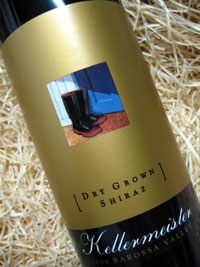
KELLERMEISTER Dry Grown Shiraz 2008
Barossa Valley, SA, Australia
Ahh Kellermeister, you’ve done it again. This is such a seemingly black-fruited wine due to the Shiraz fruit coming from some of the oldest vines in the Barossa Valley. Lifted aromas of dark cherry, mulberry and dark bitter chocolate greet you then gently hint to aniseed, complex savoury aromas and a good touch of smoky, cedary oak. It is velvety and voluptuous in mouthfeel, politely leaving a crux of blackberry, liquorice and spice flavours as the lingering aftertaste. Ideally complements game, beef and vintage cheeses.
RRP $34.00
The Moscato d’Asti ferment – “Bubble bubble boil and trouble”
1 MarHave you ever thought about the risk involved in making a joyful beverage like Moscato d’Asti? Surprisingly for such an easy-drinking wine, it is one with a fair amount of winemaking technique involved. Ladies and gentlemen, Moscato d’Asti is not your standard, sweet, fizzy drink. This is a more serious matter. The trouble only just begins with the bubbles…
As a means of providing a brief introduction, Moscato d’Asti is a low-alcohol sweet white wine made from the Moscato grape (grown in the Asti province in Piedmont of northern Italy). The sweetness does not come from adding sugar. Instead, it is provided by the natural sugars remaining from halting the fermentation. I prefer not to get overly technical, so here is a short tale from the 2008 vintage when I worked in a small town called Castagnole delle Lanze at La Spinetta winery.
It was the beginning of September and the Moscato vineyards were almost ready. La Spinetta has been making Moscato d’Asti since the late 1970’s, when Giorgio Rivetti took control of his father Pin’s grapes and purchased more from other vineyards to create what was to become one of Italy’s most celebrated Moscato d’Asti wines.
The first week patiently waiting passed by with ease with the team’s attendance at a party in Tuscany to celebrate the opening of their winery in the typically Italian named town of Casanova. Upon completion, we herded the team back to Piedmont where we began the harvest, or la vendemmia as the Italians call it.
- The harvest – Photograph courtesy of La Spinetta
Jealous much?
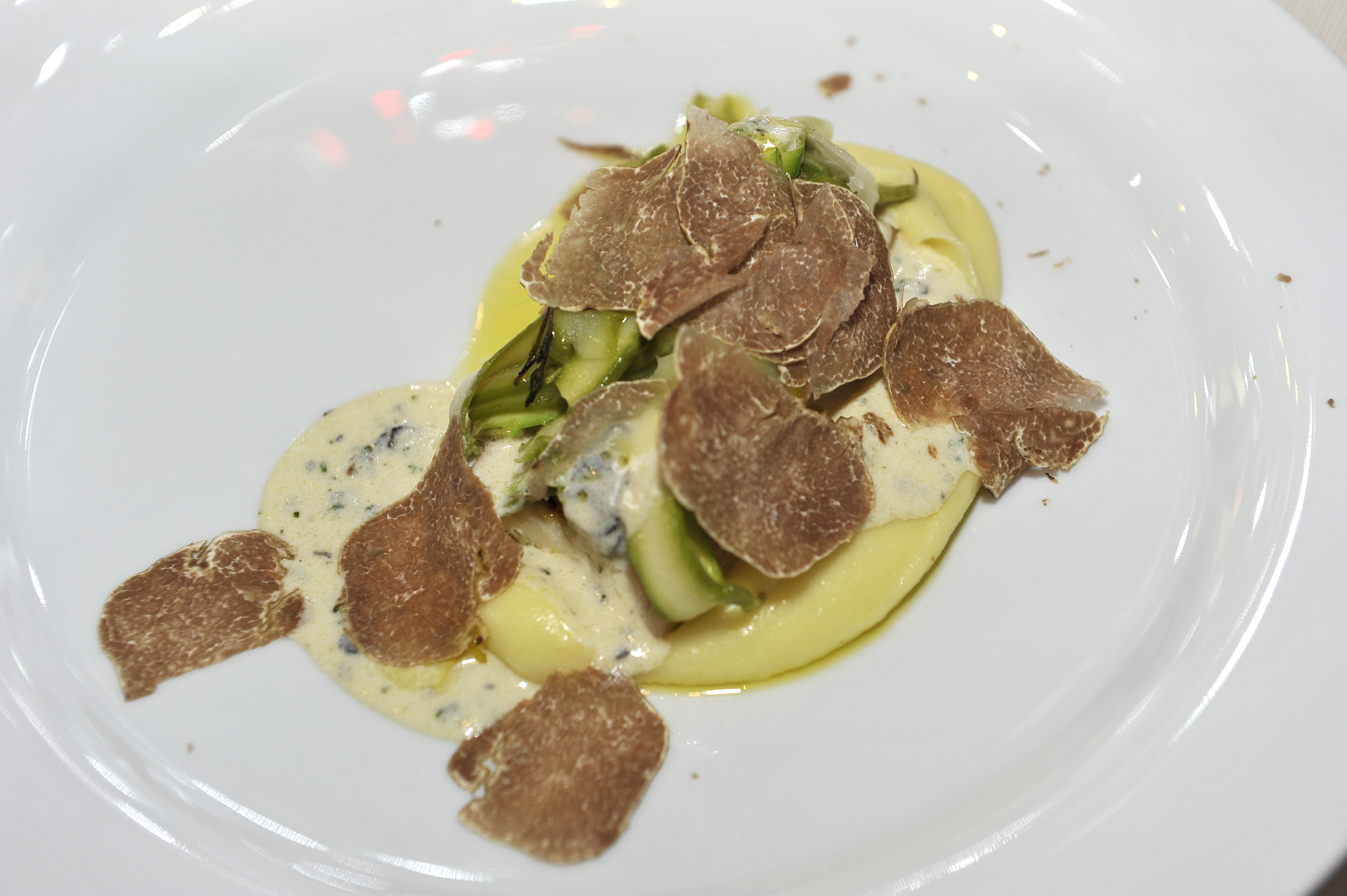
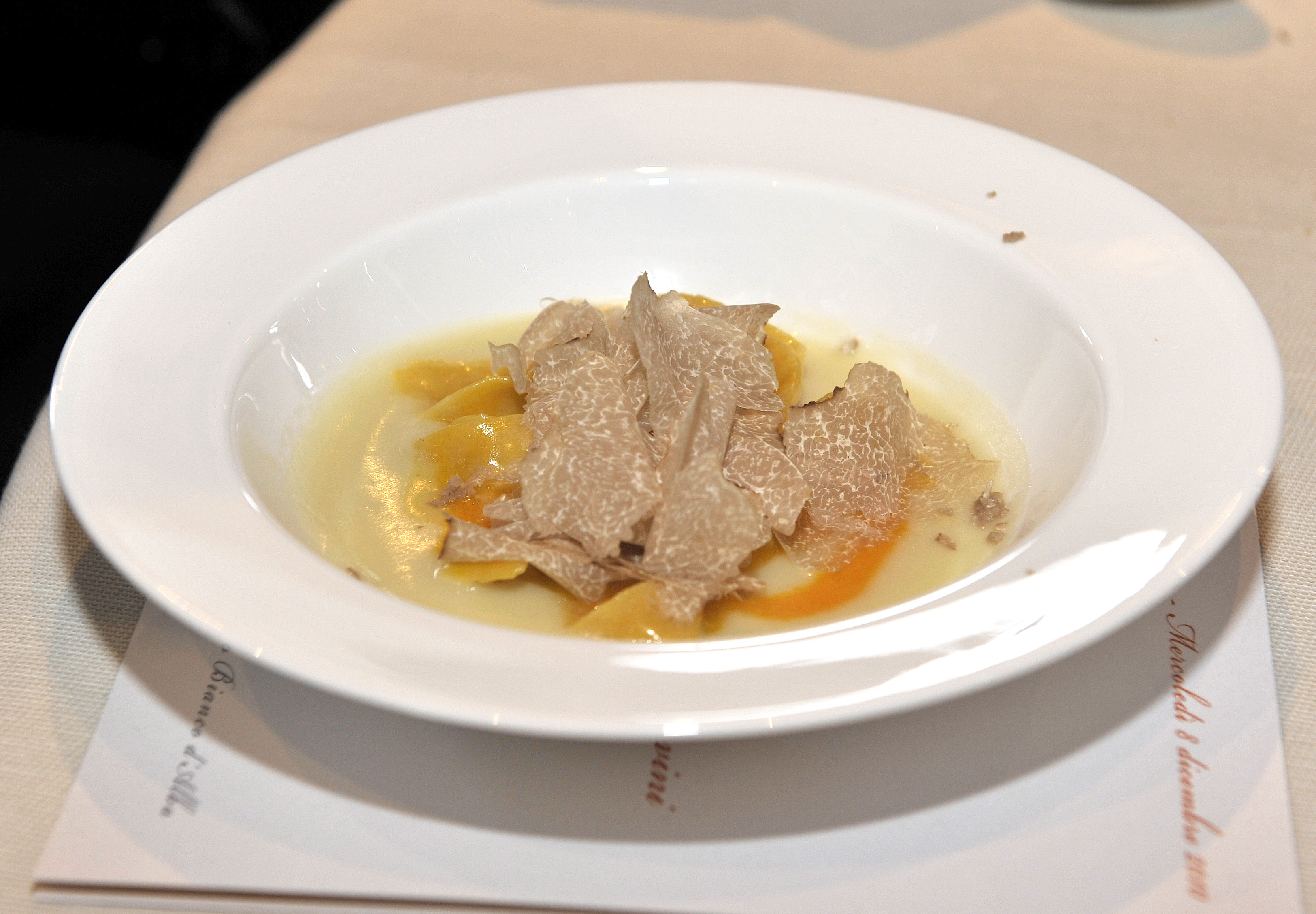
23 DecHow’s this. A few days ago my mamma Italiana: Ornella Bonifacio from Alba, Piemonte, sent me an email. Within it, she merely wished me a merry christmas, asked when I am next visiting her in Alba, then sent me these photos immediately after…
Why would she be so cruel? Tis the season of the truffle…and she felt the need to use something…any sort of enticement to get me back!